
What is complicated is understanding why it has taken this long to build the infrastructure to capture it.
Those two statements sound similar. They are completely different in what they demand as a response.
A food problem requires aid. An infrastructure problem requires capital, operational expertise, and a platform with the scale and integration to build what is missing.
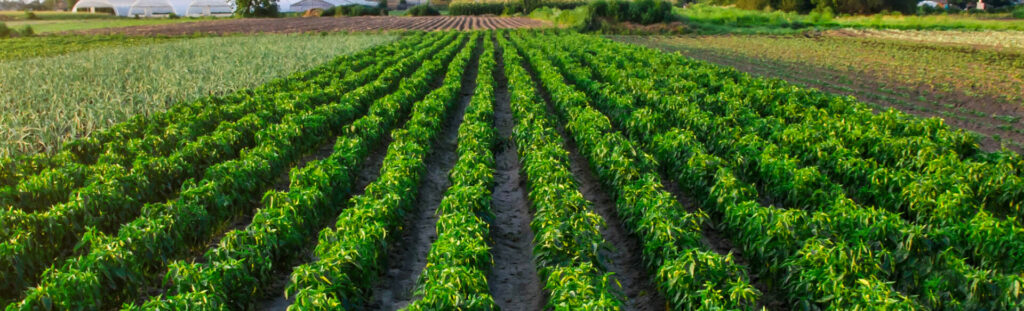
Every serious analysis of African agriculture confirms the same diagnosis: the continent has the land, the climate, and the labour. What it has consistently lacked is the vertically integrated infrastructure to turn those assets into food at the scale the market requires.
Africa holds approximately 60% of the world’s uncultivated arable land. African nations import over $60 billion in food annually.
Read those two facts together. A continent sitting on the world’s largest reserve of unused farmland is paying $60 billion a year for food it could grow itself. That is an infrastructure gap with a $60 billion annual price tag — and a commercial opportunity of equivalent size for the platform that closes it.
Africa’s population is projected to reach 2.5 billion by 2050. That additional population will be disproportionately urban, living in cities where food must be bought, not grown. Increasingly middle-class, with purchasing power that shifts consumption toward processed food, packaged goods, and consistent quality supply.
This stopped being a development argument the moment global supply chains broke.
The COVID-19 pandemic, the Russia-Ukraine conflict, and the shipping disruptions of recent years demonstrated the same thing across every affected economy: food import dependency is a national security liability.
African governments watched food import bills spike. They watched supply chains freeze. They watched the political consequences of food price inflation. The policy response across the continent has been consistent: find credible, commercially structured domestic production partners now — before the next disruption.
Here is how the model captures it. → [See the Model]
Food security is universally discussed as a development objective — something governments aspire to and donors fund. That framing obscures what food security actually is at the transactional level.
When a government says it needs food security, it is saying: we need to buy food — reliably, at scale, from a domestic source, every year, for the next several decades.
The reason Africa has not solved this problem yet is not lack of effort. It is lack of integration.
Farms without processing sell raw at the bottom of the value curve. Processors without reliable supply cannot fulfil export contracts. Distributors without upstream control cannot guarantee the consistency institutional buyers require.
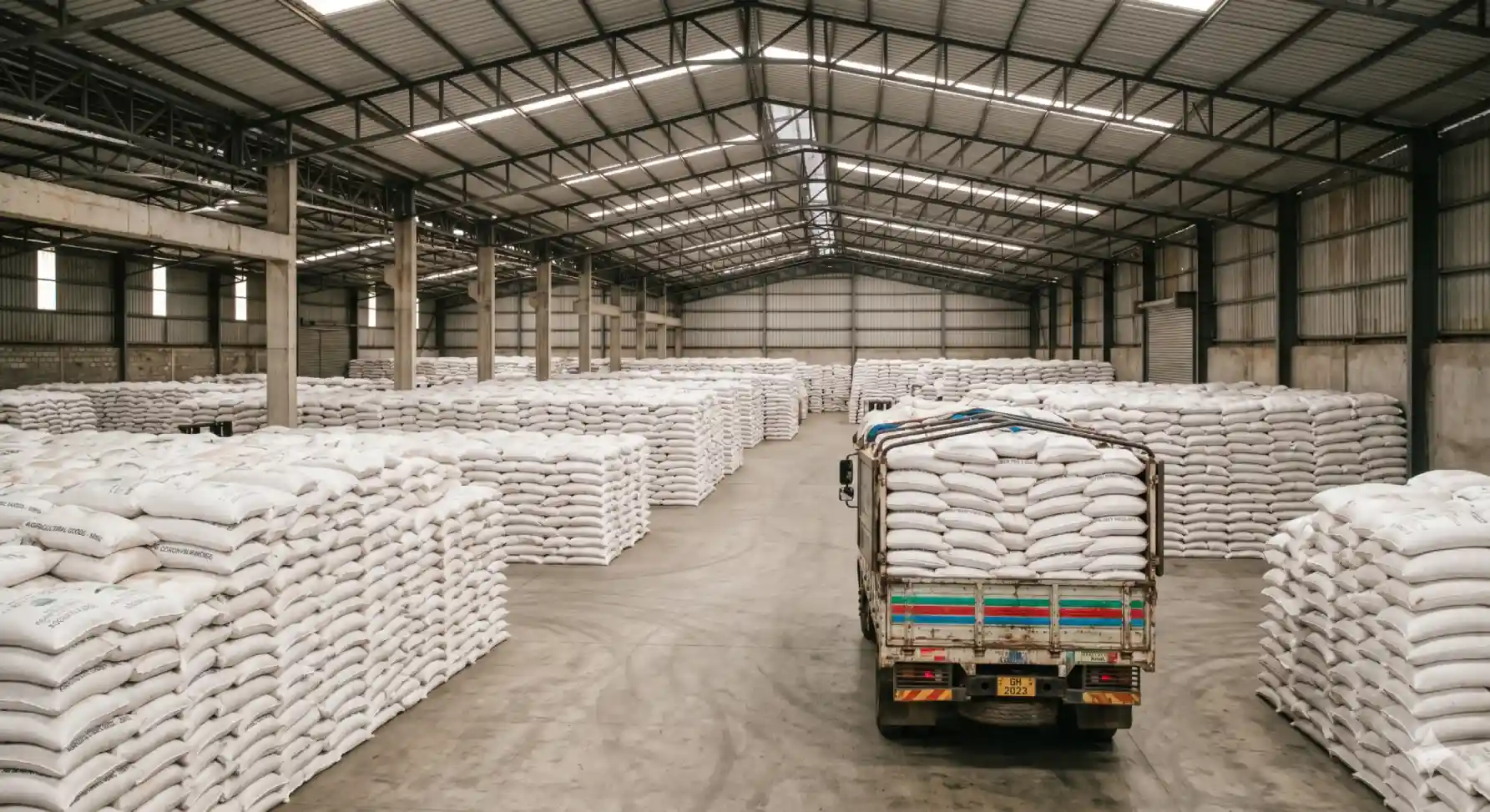
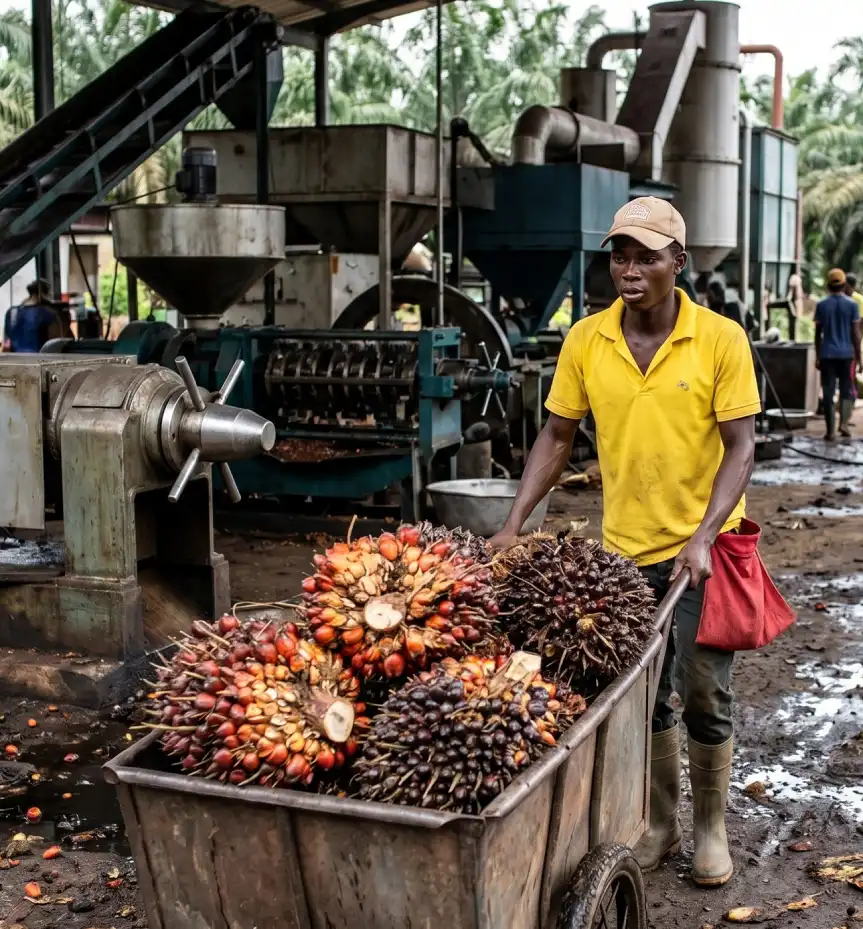
The fragmented model has been tried. Only a platform that owns and operates every stage — land, farming, processing, packaging, distribution — can deliver the reliability, volume, and quality that governments, retailers, and export buyers actually need.
Let us build Africa’s integrated food system from land to market and at continental scale.