We didn’t start with a pitch deck. We started with the land — because the land is where the real story is. Ukraine is at war, cities are burning, and it is still finding a way to ship grain to Africa. Meanwhile, Africa holds 60% of the world’s uncultivated farmland and cannot feed itself. That is not a resource problem. That is an embarrassment with a commercial solution.
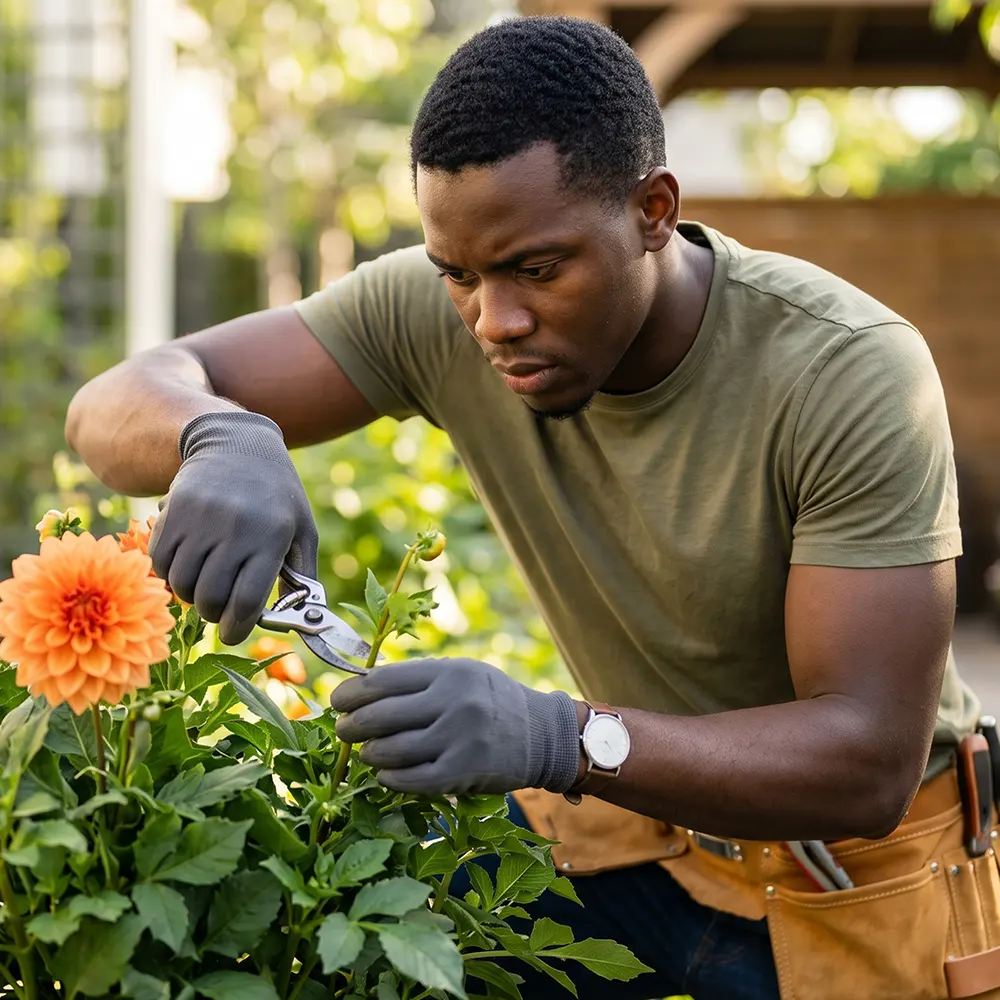
So instead of writing about the opportunity, we decided to build it. Using Nigeria as a case study, we secured 2,000 hectares of deed-secured agricultural land — tilled, irrigated, and planted — before a single investor overview was circulated. Land first, because land is the one thing you can walk on, touch, and verify.
We are starting in Nigeria deliberately. Africa’s largest economy. Africa’s largest population. The right place to prove that an African-led agribusiness can operate at scale before we take the model continent-wide. Processing infrastructure comes next. Then distribution. Then the rest of Africa — but it starts here, on the ground, in Nigeria. The way every serious thing starts: with something real.
We didn’t start with a pitch deck. We started with the land — because the land is where the real story is. Ukraine is at war, cities are burning, and it is still finding a way to ship grain to Africa. Meanwhile, Africa holds 60% of the world’s uncultivated farmland and cannot feed itself. That is not a resource problem. That is an embarrassment with a commercial solution.
So instead of writing about the opportunity, we decided to build it. Using Nigeria as a case study, we secured 2,000 hectares of deed-secured agricultural land — tilled, irrigated, and planted — before a single investor overview was circulated. Land first, because land is the one thing you can walk on, touch, and verify.
We are starting in Nigeria deliberately. Africa’s largest economy. Africa’s largest population. The right place to prove that an African-led agribusiness can operate at scale before we take the model continent-wide. Processing infrastructure comes next. Then distribution. Then the rest of Africa — but it starts here, on the ground, in Nigeria. The way every serious thing starts: with something real.
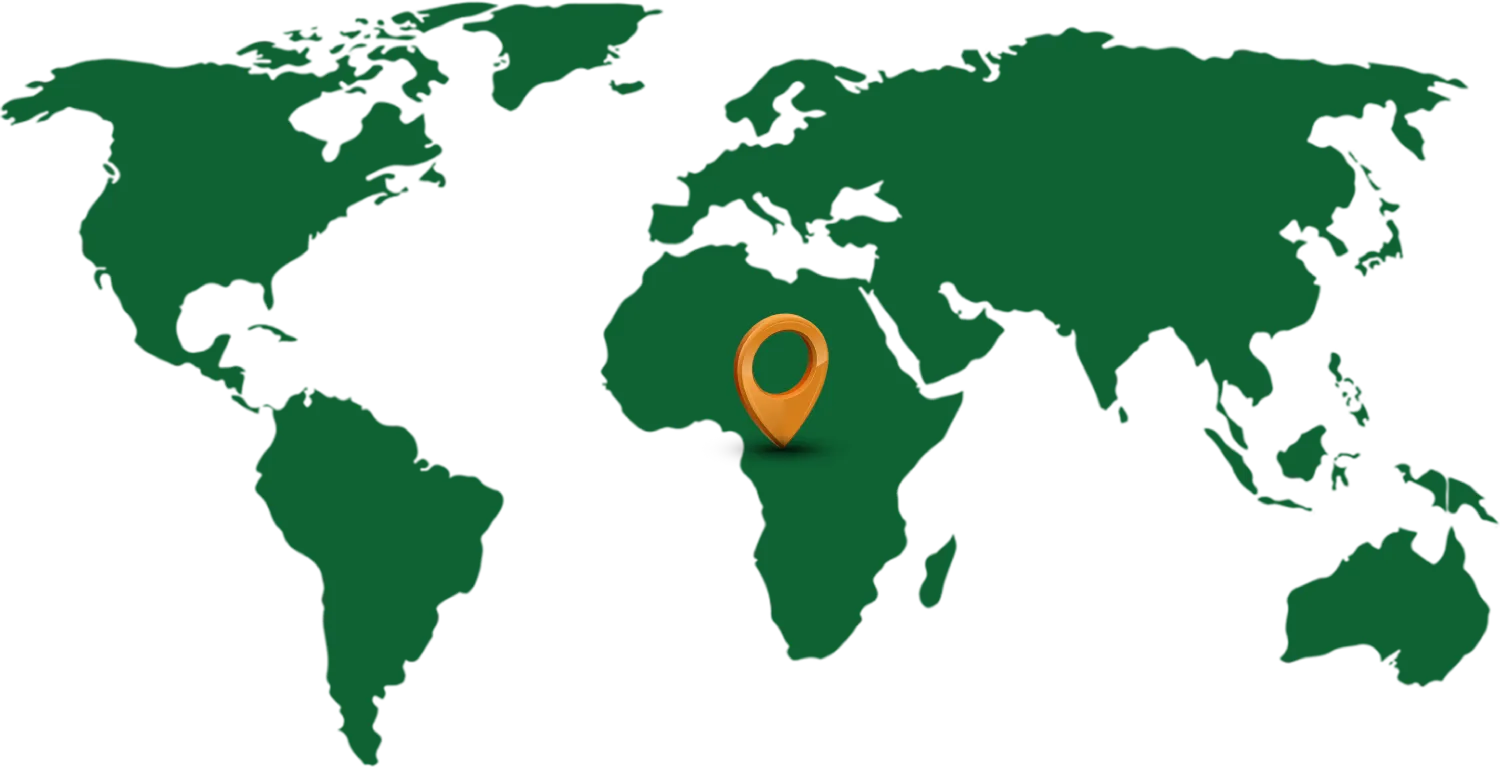
The continent holds 60% of the world's uncultivated arable land. African nations spend over $60 billion every year importing food they are fully capable of growing. That is not a resource deficit. It is an infrastructure gap — and infrastructure gaps have commercial solutions.
That gap is the largest addressable market on the continent. It belongs to whoever builds the infrastructure to serve it.
A food-secure Africa by 2040 — built on commercial infrastructure, not aid dependency. Food security Africa can believe in because it is commercially self-sustaining.
To build Africa's most integrated commercial agribusiness platform by producing, processing, and distributing food at scale while generating the returns that attract lasting capital.
A food-secure Africa by 2040 — built on commercial infrastructure, not aid dependency. Food security Africa can believe in because it is commercially self-sustaining.
To build Africa's most integrated commercial agribusiness platform by producing, processing, and distributing food at scale while generating the returns that attract lasting capital.
2,000 hectares in the Nigeria launch phase. Expanding from there.
Farming, processing, packaging, distribution — every margin retained inside the platform.
African domestic food demand and international export buyers. Neither is secondary.
Nigeria proves the model. West Africa scales it. Sub-Saharan Africa completes it.
Designed from inception for co-investment with governments, DFIs, and serious private capital.
Let us build Africa’s integrated food system from land to market and at continental scale.